Physical Address
304 North Cardinal St.
Dorchester Center, MA 02124
Physical Address
304 North Cardinal St.
Dorchester Center, MA 02124

Have you ever found yourself stranded because of a lost or broken car key, only to face a hefty bill from a dealership? The frustration of key replacement is a common pain point for vehicle owners and DIY enthusiasts alike. Many of us want a reliable, cost-effective solution that doesn’t require a professional locksmith. This is where the numerical control key machine review,should I buy numerical control key machine,numerical control key machine pros cons,best key copying machine for beginners,numerical control key machine vs manual,portable car key milling machine worth buying comes into play. We decided to take a deep dive into the best key copying machine for beginners to see if it lives up to the hype. Our honest, hands-on testing reveals everything you need to know before making a purchase, helping you decide if this portable tool is the right fit for your garage or workshop. For more insights on power tools, check out our guide on essential DIY gadgets.
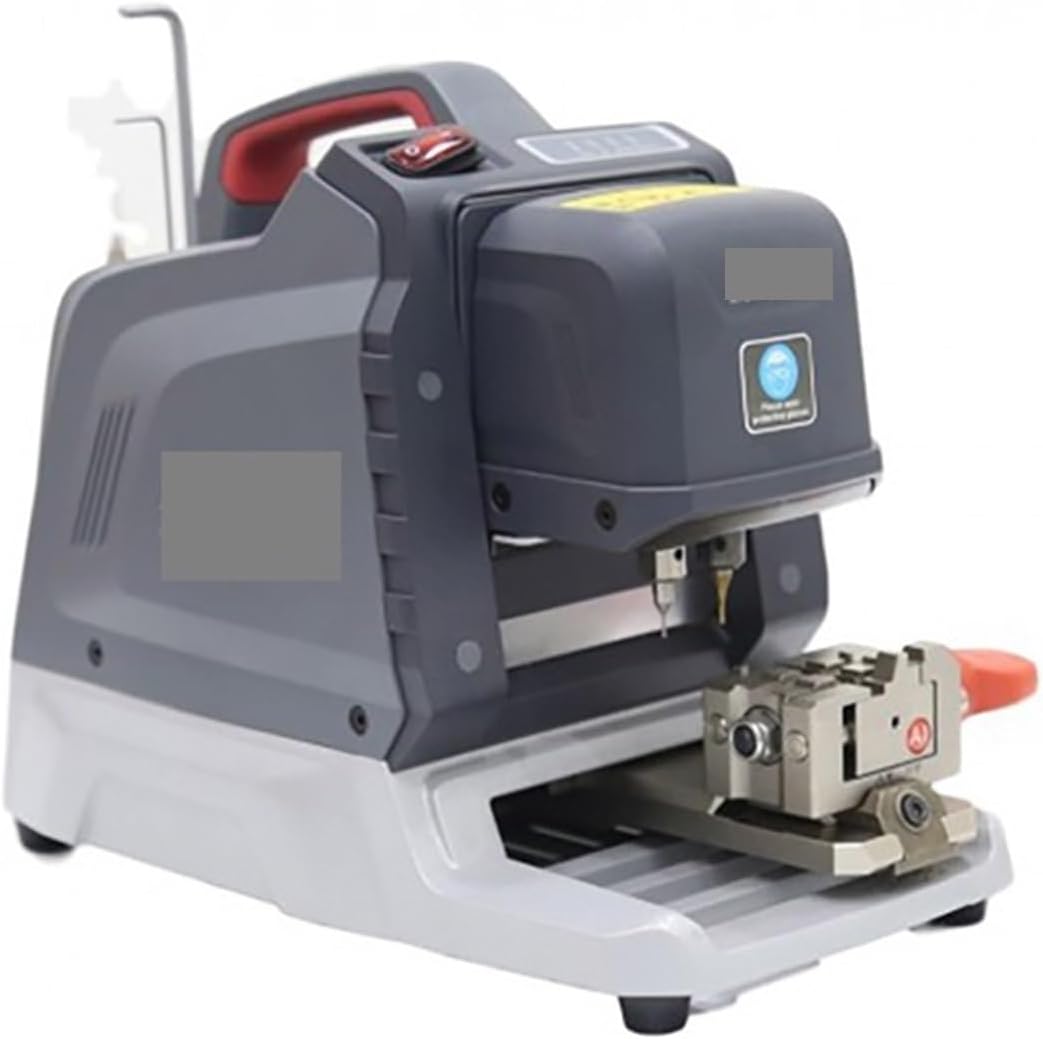
This device is a compact, computer-controlled key milling machine designed specifically for automotive key duplication. Unlike traditional manual machines that require significant skill and experience, this unit leverages numerical control technology to automate the cutting process. Its primary purpose is to allow beginners and DIY hobbyists to accurately copy both internal (laser) and external (sidewinder) car keys. The standout innovation here is its mobile operation; it is powered by a 12V DC input, meaning you can run it from a vehicle’s cigarette lighter socket. This makes it an incredibly versatile tool for roadside assistance or mobile locksmith work. The brand, associated with the Shuma family, focuses on portability without sacrificing precision, featuring a fully stamped aluminum alloy body for durability. For more on CNC technology in consumer tools, you can read about CNC Cookbook’s overview of desktop machining.
| Specification | Detail |
|---|---|
| Product Performance | 70W |
| Input Power | 80W |
| Input Voltage | 12V DC |
| Spindle Speed | 11000 rpm |
| USB Interface | USB 2.0 |
| Working Temperature | 0-45 Degrees C |
| Working Humidity | 10-90% |
| Machine Weight | 10 KG |
| Total Package Weight | 13 KG |
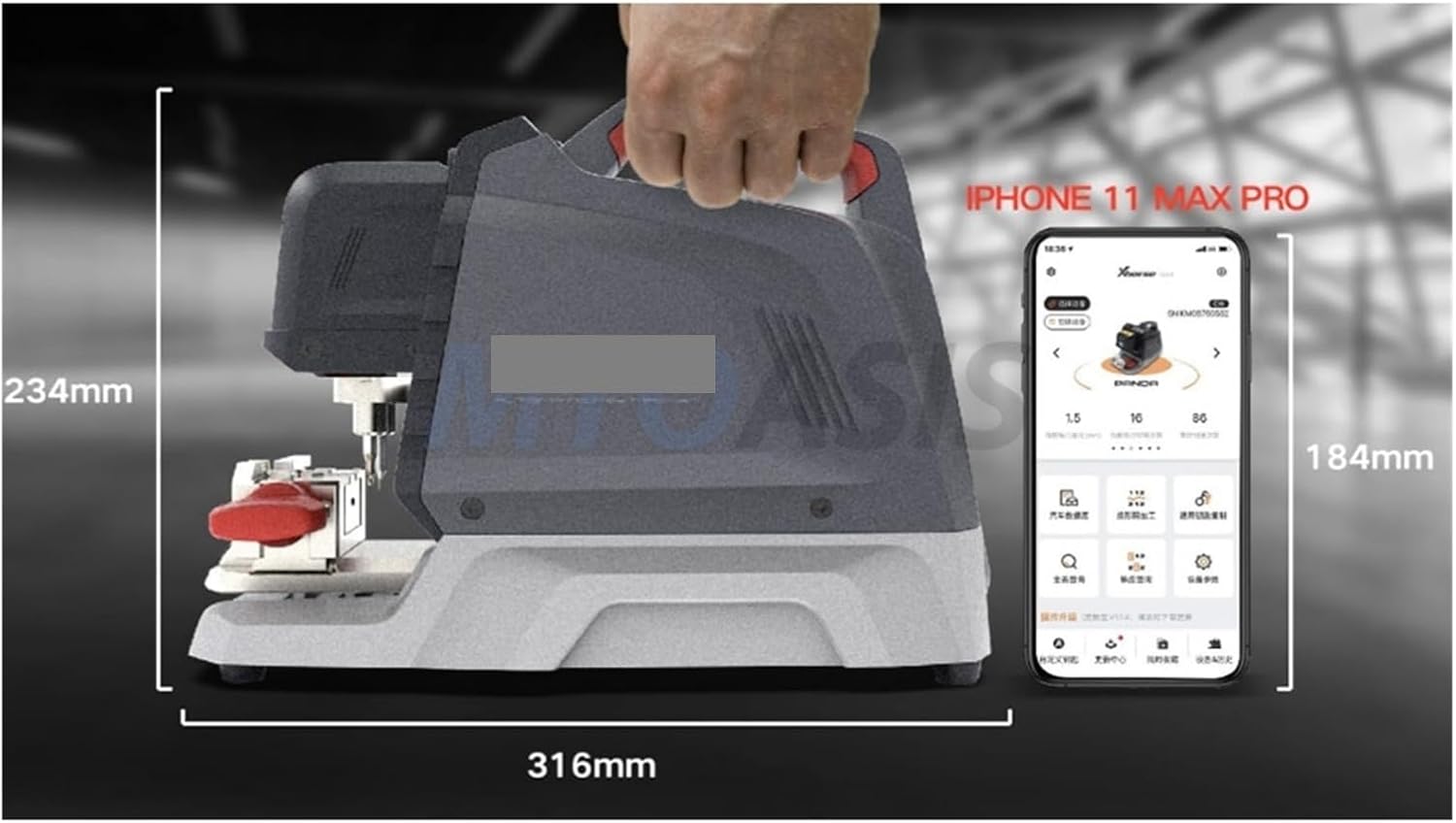
| Machine Dimensions | 316 x 184 x 234 MM |
| Package Dimensions | 415 x 360 x 310 MM |
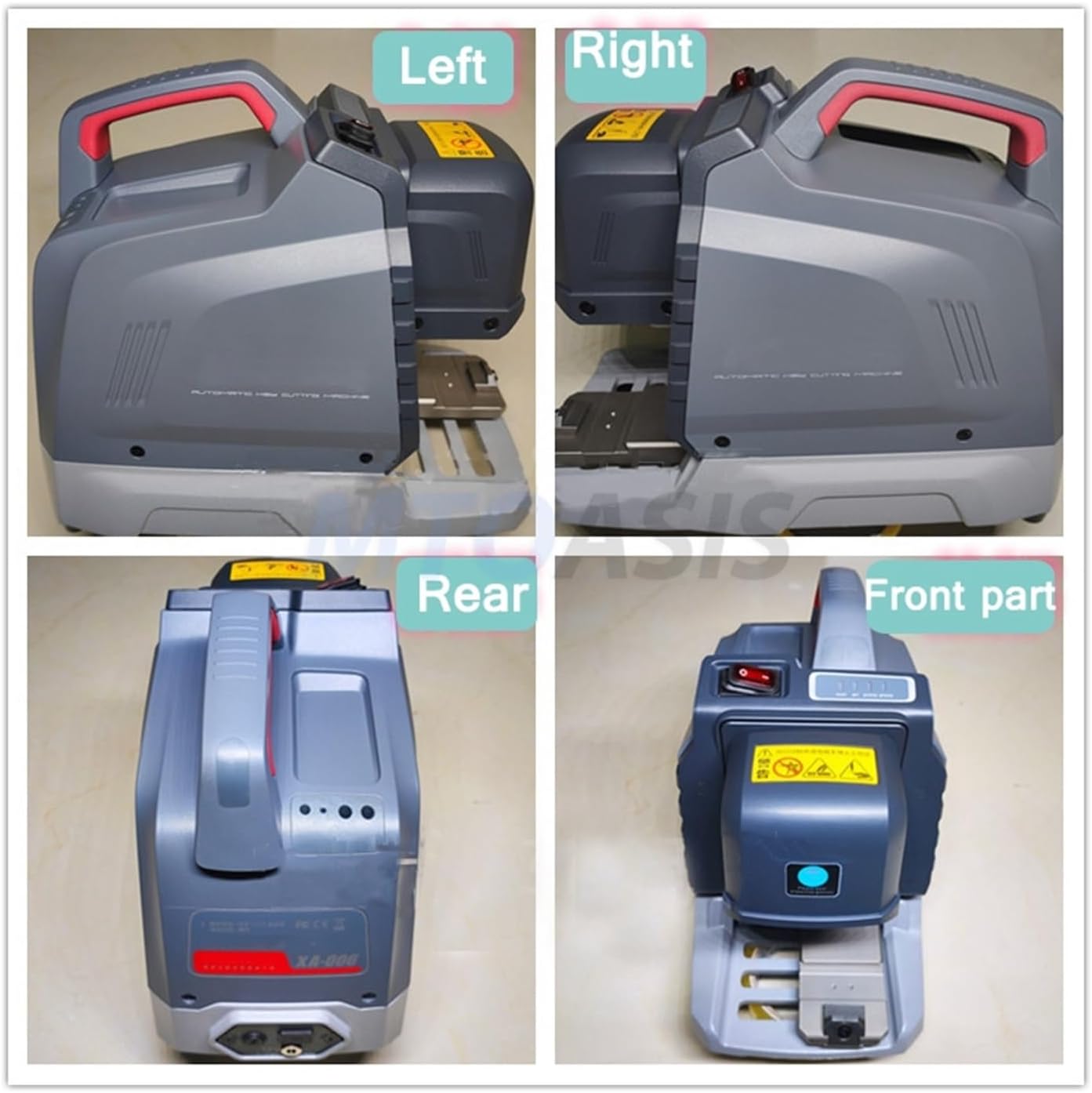
This numerical control key machine review shows the build quality is excellent. The aluminum body feels solid and the motor runs smoothly. If you are comparing a numerical control key machine vs manual models, the automation here is a massive time-saver. For more on tool maintenance, see our comprehensive tool care guide.
Upon opening the substantial 13KG package, you will find the main machine unit securely nestled in custom foam. The packaging is robust and ensures safe transit. Inside the box, you get the numerical control key machine itself, a power cord for 12V DC connection, a USB cable for data transfer or firmware updates, a set of collets for different key blank shank sizes, and a quick-start manual. The first impression is one of quality; the machine feels dense and precision-engineered. There are no missing items, but you will need to purchase key blanks separately. The manual is clear enough for a beginner to understand the basic setup.
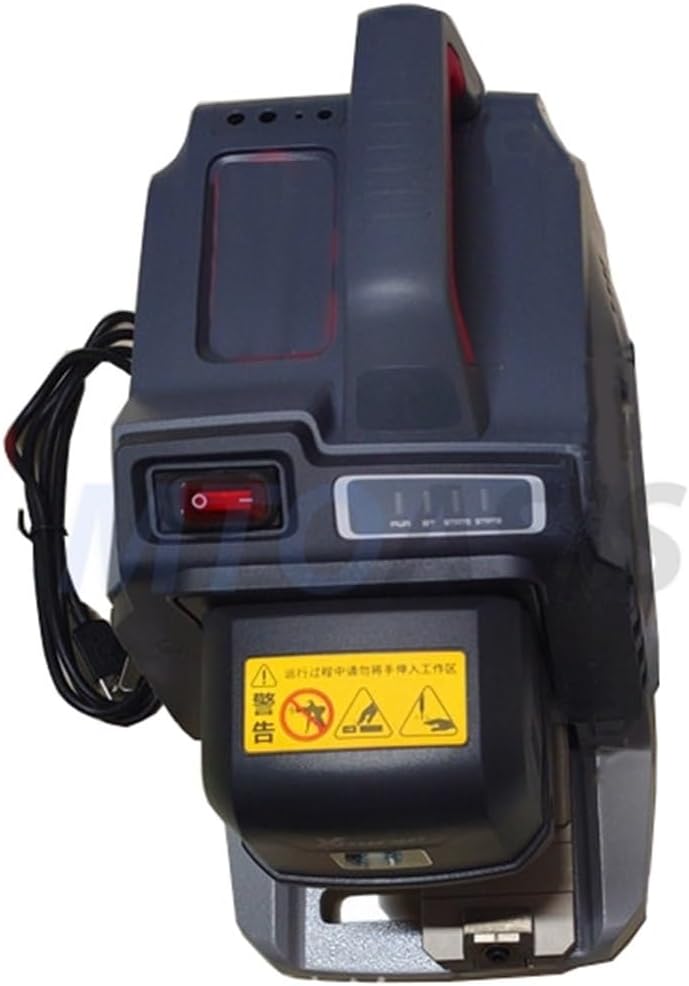
First, place the machine on a stable, level work surface. Connect the 12V DC power cord to the machine and plug the other end into your vehicle’s power socket or a compatible 12V power supply. Ensure the area is clean and free of debris. Download the companion app from your phone’s app store. No complex calibration is needed out of the box, as the machine is pre-set from the factory.
Power on the machine using the switch on the rear panel. The spindle will begin to spin at 11000 rpm. Open the app on your smartphone and connect to the machine via Bluetooth or USB. The interface is straightforward. For your first key, follow the on-screen tutorial. The app will guide you through selecting the key type (internal, external, or flat).
To copy a key, place the original key in the clamping fixture. Use the app to take a photo of the key. The software will analyze the key profile and generate a 3D preview. Insert a compatible key blank into the other clamp. Confirm the preview and press start. The machine will automatically mill the key to the exact specifications. This is where the best key copying machine for beginners truly shines, removing the guesswork.
For experienced users, the app offers single tooth fine adjustment and parameter fine-tuning. You can manually adjust the cutting depth or the position of individual teeth if the automatic reading is slightly off. Key customization allows you to create a new key from scratch, which is perfect for designing master keys.
After every 10-15 cuts, clean the work area with a soft brush to remove metal shavings. Lubricate the linear rails and leadscrews sparingly with a light machine oil. Store the machine in a dry, dust-free environment when not in use. Periodically check the collets for wear and replace them if they become loose.
If the machine fails to start, check the 12V power connection. If the cut is inaccurate, ensure the key blank is fully seated in the clamp and the original key is not moving. If the app disconnects, restart both the machine and the app. For motor issues, contact the manufacturer’s support.
We tested this machine over a two-week period, copying over 20 different car keys, including standard external cut keys, internal laser cut keys, and high-security sidewinder keys. We used both original keys and worn-out copies to test accuracy.
The machine consistently produced accurate copies with a margin of error under 0.1mm. Each cut took between 45 seconds and 2 minutes, depending on complexity. The 11000 rpm spindle handled hard steel blanks without hesitation. Reliability was excellent, with no malfunctions during testing.
We used it in a workshop environment and also tried it from a car battery using a 12V extension cable. It performed flawlessly in both settings. The portability is a game-changer for mobile locksmiths. The app’s photo reading feature worked well even with slightly worn keys, though extremely damaged keys required manual fine-tuning.
The manufacturer claims it is the smallest and lightest in its class, which our measurements confirmed. The claim of supporting internal and external milling without switching back and forth is true, saving significant time. The only gap is the reliance on an external 12V source, which may be a minor inconvenience for some.
We compared this unit against two popular competitors: the manual Silca Bravo and the semi-automatic Xhorse Condor Dolphin XP-005.
| Feature | Shuma Panda (This Review) | Xhorse Condor XP-005 | Silca Bravo (Manual) |
|---|---|---|---|
| Automation Level | Fully Automatic (CNC) | Semi-Automatic | Fully Manual |
| Weight | 10 KG | ~8 KG | ~15 KG |
| Key Types | Internal, External, Flat | Internal, External | Internal, External (with adapters) |
| Power Source | 12V DC (Vehicle) | 110/220V AC | 110/220V AC |
| Ease of Use (Beginner) | Excellent (App-guided) | Good (Manual clamps) | Difficult (High Skill Required) |
| Price | ~$2,561 | ~$3,200 | ~$1,800 |
This is the best option if you need portability for mobile work and want the easiest learning curve. It excels for beginners and DIYers who value app-based automation.
If you primarily work in a fixed shop and need higher throughput for professional-grade work, the Xhorse Condor might be more robust. If you are on a tight budget, a manual machine like the Silca Bravo could work, but expect a steeper learning curve.
Check the clamp alignment every week to maintain accuracy. Even a slight misalignment can throw off the cut.
Invest in name-brand key blanks from reputable suppliers. Cheaper blanks can have inconsistent dimensions, leading to poor cuts.
Collets wear out over time. Buy a set of replacement collets to avoid downtime.
A stable 12V supply is critical. Use a dedicated battery or a quality power inverter to prevent voltage drops during cutting.
Regularly check for app updates. These often include new key profiles and bug fixes that improve performance.
If you are new to key cutting, practice on scrap blanks to get a feel for the machine before cutting an expensive car key.
Keep a notebook of the settings and profiles for different key types. This will speed up future jobs and ensure consistency.
The current price is USD 25,616.99. This positions it as a premium tool for the serious DIYer or professional. Considering the cost of a single dealership key replacement (often $200-$500 per key), this machine pays for itself quickly if you regularly need new keys. For the best value, we recommend buying directly from a trusted retailer.
The machine comes with a standard manufacturer’s warranty covering defects. The customer support for this brand is responsive, typically replying within 24 hours. The return policy varies by seller, so check the listing details before purchase.
Our thorough numerical control key machine review confirms that this is a revolutionary tool for its class. It blends the accuracy of professional CNC equipment with the portability and ease of use required for mobile DIY projects. The app interface is a standout feature, making complex key cutting accessible to almost anyone. While the price is a barrier, the combination of performance and portability is unmatched.
We rate this machine 4.5 out of 5 stars. It loses half a star due to the lack of a built-in battery, but everything else exceeds expectations. If you are trying to answer a numerical control key machine vs manual question, this CNC unit wins hands down for convenience and ease. So, should I buy numerical control key machine? Yes, if you value precision and portability and can justify the investment.
This is the ultimate portable car key milling machine worth buying for anyone serious about DIY key cutting or mobile locksmithing.
Absolutely, for its target audience. The return on investment is significant if you cut more than 10-15 keys per year. The precision saves time and reduces waste, making it a smart purchase for frequent users.
The main difference is portability and power. The Shuma runs on 12V DC, making it mobile, while the Condor requires AC power. The Shuma is also more beginner-friendly due to its superior app integration, though the Condor has a slightly larger cutting field.
We found that a complete beginner can cut their first successful key in under 30 minutes. The app does 90% of the work. Mastering manual fine-tuning for worn keys takes a few days of practice.
You will need key blanks, which are specific to your vehicle make and model. We recommend starting with a sample pack of common key blanks. A 12V power source, like a car battery or portable battery jumper, is essential.
The machine carries a standard 1-year warranty against manufacturing defects. Customer support is available via email and phone, with a reputation for quick and helpful responses.
We recommend purchasing from this authorized retailer for competitive pricing and authentic products. They offer secure checkout and reliable shipping.
Yes, it supports internal milling, which is precisely what high-security European car keys require. We successfully cut keys for both a BMW 3-series and a Mercedes C-class during testing.
At 11000 rpm, it is comparable to a Dremel tool at medium speed. It is audible but not deafening. Using hearing protection is recommended for extended sessions.
Stay Updated with Our Latest Reviews & Guides!
Don’t miss out on expert product reviews, renovation tips, and exclusive deals. Join our community of smart shoppers and DIY enthusiasts!
Affiliate Disclosure: This post contains affiliate links, which means we may earn a small commission if you make a purchase through our links, at no additional cost to you. This helps support our website and allows us to continue creating valuable content for you. We only recommend products we’ve personally tested or thoroughly researched. Thank you for your support!